
A ring sling is a baby carrier made from a long piece of fabric threaded through two aluminium rings, forming an adjustable pouch. It’s ideal for newborns to toddlers, enabling quick carries, on‑the‑go breastfeeding, and fostering close bonding. It offers a release feature for adjustments during playtime!!!!.
1.1 What Is a Ring Sling?

A ring sling is a lightweight, versatile baby carrier that uses a single strip of fabric threaded through two metal rings to create an adjustable pouch for your infant. The rings allow the fabric to be pulled tight or loosened, giving parents instant control over the fit and comfort of the carrier. This simple design makes it easy to put on, take off, and adjust on the fly, which is especially useful for spontaneous play sessions, or on‑the‑go breastfeeding.
Designed for newborns through toddlers, ring slings provide a snug, supportive hold that keeps the baby’s head and neck supported while allowing the parent to maintain a natural, relaxed posture. The adjustable pouch can be positioned at various heights and widths, enabling a range of carrying positions that promote bonding and facilitate feeding without the need for a separate breast‑feeding pad. Many parents appreciate the freedom to carry their child close to the body while keeping hands free for everyday tasks.
Because the rings are typically made of lightweight aluminium, the carrier is both durable and easy to clean. Most ring sling fabrics are made from breathable cotton or bamboo blends, which help keep the baby cool and comfortable. Some models also feature a quick‑release mechanism that lets the rings detach from the fabric for easy storage or when you need to switch to a different carrying style. Overall, the ring sling offers a simple, ergonomic solution that blends tradition with modern convenience!!

Materials and Components
Ring slings consist of a long fabric strip, two aluminium rings, and optional quick‑release clips. Choose breathable cotton or bamboo for comfort. Ensure rings are sturdy, and fabric is free of frays. Properly sized components guarantee a safe, adjustable pouch for your baby. All components are lightweight for easy transport
2.1 Fabric Options and Selection
Choosing the right fabric for a ring sling is essential for comfort, safety, and durability. The most popular choices are breathable cotton, organic cotton, bamboo, hemp, and lightweight polyester blends. Cotton is soft, hypoallergenic, and easy to wash, making it ideal for newborns. Organic cotton adds an extra layer of safety by eliminating pesticides and chemicals. Bamboo offers natural moisture‑wicking properties, keeping the baby dry and preventing overheating. Hemp is strong, naturally resistant to mold, and becomes softer with each wash. Lightweight polyester blends provide stretch, quick drying, and resistance to wrinkles, which is useful for on‑the‑go parents. When selecting a fabric, consider the width (typically 18–24 inches) and length (usually 4–5 feet) to ensure enough material for both sides of the pouch. A heavier fabric may feel more secure but can be less breathable, so balance weight and ventilation. Additionally, look for fabrics with a smooth finish to reduce friction against the baby’s skin. Finally, test the fabric for any loose threads or weak spots before use now. When choosing a fabric, also consider the impact. Organic and materials reduce waste and support sustainable practices, while machine‑washable fabrics simplify care. A well‑chosen sling fabric not only protects the baby but also aligns with responsible parenting values. Remember to inspect the fabric regularly for wear, especially at the stitching and ring attachment points, as these areas are most prone to stress and potential failure during active use now

Preparing the Sling for Use

Before use, lay the sling flat, check for frays, and ensure rings are secure. Measure fabric length to match your height, allowing extra for adjustments. Thread the fabric through rings, creating a pouch, and test the fit by placing a weight or a small doll. Clean the sling with mild soap and air dry. Keep it dry. Now.

3.1 Choosing the Correct Fabric Size
Choosing the right fabric size is critical for a comfortable and safe ring sling experience. Start by measuring the length of the fabric you plan to use. A common guideline for newborns is a minimum of 120 cm (47 inches) to allow enough material for a snug pouch and for you to adjust the height as your baby grows. For toddlers, a length of 140–150 cm (55–59 inches) provides ample room for a larger pouch and extra slack for active play. The width of the fabric should be at least 30 cm (12 inches) to ensure the pouch can hold the baby securely without folding over. If you prefer a tighter fit, choose a narrower width, but be mindful of the baby’s comfort and the ease of adjusting the sling. When selecting the fabric, consider the weight and stretch. Lightweight cotton or bamboo blends are ideal for newborns because they allow air flow and reduce heat buildup. For toddlers, a slightly heavier cotton or a blend with a bit of elastane can provide extra support for a growing child. Always test the fabric before cutting: lay it flat, fold it in half, and check for any seams or weak spots that could tear under the baby’s weight. Once you have the correct dimensions, cut the fabric to the desired length, leaving an extra 10 cm (4 inches) on each end for the rings. This extra length ensures that the rings can be threaded easily and that the pouch can be adjusted without cutting the fabric. After cutting, smooth any rough edges with a seam ripper or a pair of scissors, and iron the fabric if needed to remove creases that could affect the sling’s shape. Finally, double‑check the measurements again before you begin threading the rings. A well‑measured fabric size not only makes the sling more comfortable for both you and your baby, but it also helps maintain proper posture and reduces the risk of strain on your shoulders and back. By following these steps, you can confidently choose the correct fabric size and create a safe, supportive ring sling that grows with your child.

Threading the Ring Sling
Step 1: lay the fabric flat, spread ridges, avoid folds. Step 2: thread the first ring through the front, pull tight, then thread the second ring through the back. Adjust tension, ensure even distribution, secure. Keep edges straight. Keep the fabric taut, avoid slack, and prevent discomfort. !
4;1 Step‑by‑Step Threading Instructions
Begin by laying the fabric on a flat surface, ensuring the ridged side faces up. The fabric should be long enough to wrap around both rings and allow for a comfortable pouch. Hold the two aluminium rings together, aligning their holes. Insert the first ring’s hole through the middle of the fabric, pulling it through until the ring sits snugly on the fabric’s edge. Next, slide the second ring’s hole through the opposite side of the fabric, making sure it passes through the same middle section. Once both rings are threaded, pull the fabric taut along the front, smoothing out any wrinkles. The fabric should now form a simple loop with the rings at the front and back. Adjust the tension by pulling the fabric from the back side, tightening it until the pouch is firm but not overly tight. The fabric should drape evenly over the rings, creating a symmetrical pouch. Check that the edges of the fabric are straight and not twisted; if they are, reposition the rings and re‑thread. Ensure the rings are positioned so that the pouch sits just below the baby’s chest when worn. Finally, secure the rings by tightening the quick‑release or locking mechanism, depending on your sling model. Test the pouch by gently lifting it; it should hold its shape without sagging. If it does, you have successfully threaded the ring sling. Remember to double‑check the ring alignment and ensure the pouch is centered before placing your baby. A well‑threaded sling provides stability and reduces strain on your shoulders during extended use. Practice this threading before your first carry to build confidence and speed

Adjusting the Pouch for Comfort
Center the pouch by aligning the rings with the baby’s chest. For newborns, pull the fabric tighter at the front to reduce width, then loosen the back to allow room for growth. Use the quick‑release to fine‑tune height, ensuring the baby’s airway remains clear. Test fit before each carry
5.1 Height and Width Adjustments for Newborns
Begin by placing the ring sling on a flat surface and folding the fabric so that the two rings sit at the same height. For newborns, the pouch should be snug enough to keep the baby’s head supported, yet loose enough to allow the chest to expand. Start by pulling the fabric at the front, aligning the rings with the baby’s sternum. Then, using the quick‑release lever, adjust the back strap to create a gentle slope that keeps the baby’s airway clear. The width of the pouch must be wide enough to accommodate the baby’s shoulders without compressing the rib cage. A good rule of thumb is to leave a 2‑inch gap between the outer edge of the pouch and the baby’s shoulders. Once the height and width are set, test the fit by placing a small weight, such as a baby doll, in the pouch and checking for any pressure points. If the baby’s head tilts forward, tighten the front fabric slightly. If the baby’s chest feels cramped, loosen the back strap. Finally, ensure that the rings are not too close together; they should be spaced about 6 inches apart to allow easy adjustment. Repeat these steps until the baby feels secure and comfortable.

Carrying Positions
Ring slings provide front, back, hip, and cross‑body carries. Front carry keeps the baby’s head supported and airway clear. Back carry places the pouch on the lower back for longer walks. Hip carry keeps the baby close to the pelvis. Cross‑body distributes weight evenly. Adjust straps for safety. aid.!!!
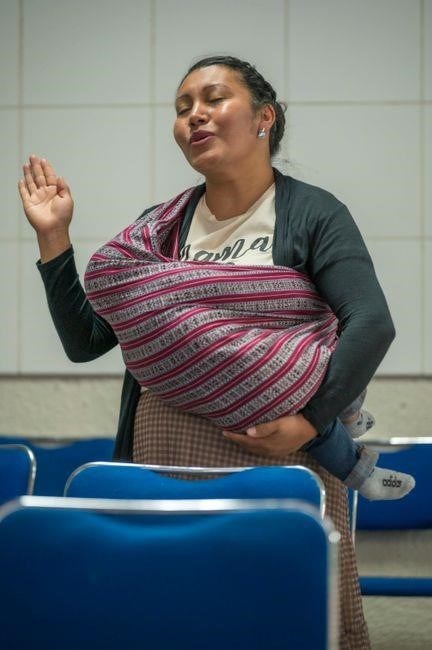
When using a ring sling in the front‑carry position for breastfeeding, the baby sits upright with the head supported by the pouch. Thread the rings through the fabric’s central fold and adjust the length so the pouch sits just below your collarbone, allowing the baby’s chin to rest lightly on the fabric. The baby’s feet should point outward, and the legs should be in a natural “M” position. Keep the baby’s airway clear by slightly elevating the chin and supporting the back of the head. Engage the sling’s release feature so the fabric can be tightened or loosened as needed. Position one ring just above the baby’s shoulder and the other near the waist to distribute weight evenly across both shoulders. While breastfeeding, keep the baby’s face within your line of sight and use your free hand to support the back if necessary. Adjust the straps to relieve any pressure on the baby’s neck or shoulders, and check periodically that the ears are not pressed against the fabric. A properly fitted front carry allows quick access to the breast, promotes bonding, and keeps the posture correct for safe feeding. Rotate the baby’s position every few minutes to prevent muscle strain and maintain a comfortable feeding rhythm. Inspect the rings for wear and replace any damaged rings before the next use. This method ensures a secure, comfortable, and nurturing experience for both parent and child. For newborns, keep the baby’s hips higher than the knees. Use soft lining baby’s skin is sensitive. Ensure baby’s posture is correct and keep it snug!?
Safety, Maintenance, and Troubleshooting
Check ring integrity daily, ensuring no cracks or loose threads. Keep fabric clean by hand-washing in lukewarm water, avoiding bleach. Dry flat to preserve shape. Inspect rings for corrosion; replace if rusted. Adjust tensionto maintain babys airway and pressure points.
7.1 Proper Fit, Airway Clearance, and Ring Inspection
Ensuring a safe ring sling starts with a snug but not restrictive fit. The fabric should sit just above the baby’s hips, allowing a small gap between the pouch and the baby’s chest so the airway remains open. The rings must be positioned so that the pouch hangs naturally, not pulling the baby’s head forward. Check that the baby’s chin is elevated and the nose is free of obstruction. Inspect the rings for any signs of wear, such as cracks, loose screws, or corrosion. A damaged ring can snap or shift, compromising safety. If a ring shows any damage, replace it immediately. Additionally, verify that the fabric’s edges are smooth and free of frays that could snag. After each use, clean the sling with mild detergent, rinse thoroughly, and dry flat to maintain elasticity. Consistent inspection and proper positioning prevent airway blockage and ensure a secure, comfortable carry for both parent and child.
This section emphasizes the importance of routine checks proper cleaning and mindful adjustments to maintain optimal safety and comfort for both parent and child. Byfollowing these guidelines caregivers can confidently use the ring sling for daily activities ensuring that the baby’s airway remains clear the rings stay intact and the fabric’s elasticity is preserved. Regular inspection of the rings for corrosion or wear cleaning the fabric with gentle detergents andadjusting the pouch height and width as the baby grows are essential practices. Consistent attention to these details supports a secure, enjoyable carrying experience for all involved.