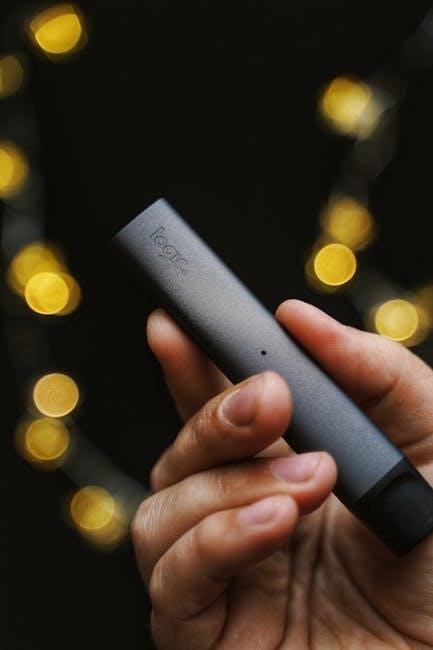
Off-Stamp Vape Charging Instructions: A Comprehensive Guide
Navigating the world of off-stamp vapes requires understanding unique charging nuances‚ especially considering community discussions around software like Vape V4 and related issues.
This guide provides essential information for safely and effectively charging your device‚ addressing potential problems‚ and maximizing battery life.
Understanding Off-Stamp Vapes
Off-stamp vapes represent a distinct category within the vaping market‚ often characterized by their modified nature and association with specific software communities‚ like those surrounding “Vape” software (Vape V4‚ Vape Lite). These devices frequently involve user customization and adjustments‚ extending beyond standard‚ manufacturer-approved configurations. This customization can impact charging behavior and troubleshooting.
The term “off-stamp” generally refers to vapes that have been altered from their original state‚ potentially involving hardware modifications or software installations. Discussions within online forums highlight user experiences with these devices‚ including issues related to reach modules‚ GUI displays‚ and overall functionality – all of which can indirectly affect charging.
Understanding this context is crucial because standard charging advice may not always apply. Users often seek specific settings or configurations to optimize performance‚ and charging can become intertwined with these adjustments. Furthermore‚ the prevalence of discussions about bypassing anti-cheat systems suggests a user base comfortable with technical tinkering‚ implying a higher likelihood of self-modification and potential charging complications.
What is an Off-Stamp Vape?
An “off-stamp” vape fundamentally deviates from a commercially available‚ unmodified device. It signifies a vape that has undergone alterations‚ typically involving software modifications – often utilizing clients like Vape V4 – or hardware changes. These modifications are usually performed by the user‚ creating a customized vaping experience tailored to their preferences.
The core distinction lies in the removal of the manufacturer’s original “stamp” of approval. This can range from installing custom firmware to altering internal components. Online communities dedicated to software like Vape actively discuss configurations and bypasses‚ indicating a user base focused on pushing the boundaries of device functionality.
Consequently‚ charging an off-stamp vape isn’t always straightforward. Standard charging protocols might be affected by software tweaks or hardware substitutions. Issues like GUI display problems‚ reach module malfunctions‚ or even network connectivity (as evidenced by VPN troubleshooting) can indirectly impact the charging process‚ requiring a nuanced understanding of the device’s specific modifications.
Identifying Your Vape Model
Accurately identifying your vape’s base model is crucial before attempting to charge it‚ especially with off-stamp devices. Modifications‚ like those enabled by Vape V4‚ don’t alter the underlying hardware; they build upon it. Knowing the original manufacturer and model allows you to research its standard charging specifications.
Look for markings on the device itself – often on the bottom or inside the battery compartment. Common brands include those discussed within the Vape community. If the original markings are obscured‚ consider any documentation you retained upon purchase.
Even with modifications‚ understanding the original hardware is vital for troubleshooting. Issues reported by users – such as GUI problems or reach module failures – might not directly relate to charging‚ but could manifest during the charging process. Knowing the base model helps narrow down potential causes and find relevant support within online forums and communities dedicated to Vape software.
Charging Port Types
Off-stamp vapes‚ due to their varied origins and modifications‚ can utilize several charging port types. Identifying the correct port is the first step to successful charging. The three most common are USB-C‚ Micro-USB‚ and proprietary connectors.
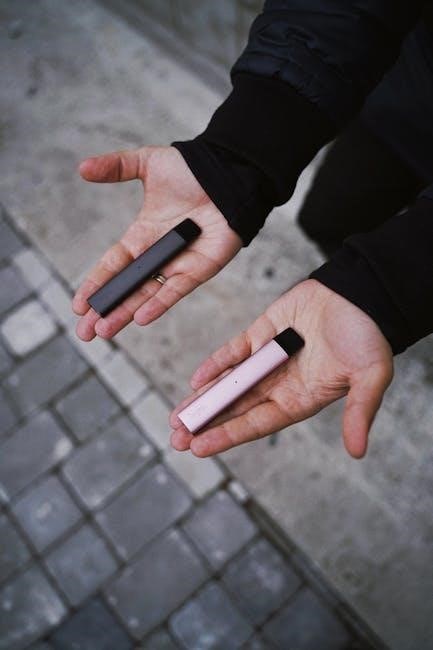
USB-C is increasingly prevalent‚ offering faster charging speeds and reversible connectivity. Micro-USB‚ an older standard‚ is still found on many devices. Proprietary ports are unique to specific manufacturers and require a compatible cable – often the one included with the device.
Carefully inspect your vape for the port’s shape and size. Avoid forcing a cable into an incompatible port‚ as this can cause damage. Community discussions often highlight issues with software like Vape V4 not directly impacting the physical charging port‚ but a damaged port can mimic software-related charging failures. Always prioritize a visual inspection before troubleshooting further.
USB-C Charging
USB-C charging is becoming the standard for many off-stamp vapes due to its efficiency and versatility. This port type allows for faster charging speeds compared to older standards like Micro-USB. The reversible design eliminates the frustration of trying to insert the cable the “wrong” way.
When using USB-C‚ ensure the cable is properly seated in both the vape and the power source. A loose connection can interrupt charging. While software like Vape V4 doesn’t directly interact with the charging process‚ a stable connection is crucial. Use a USB-C Power Delivery (PD) charger for optimal results‚ though standard USB-C chargers will also work.
Avoid using damaged or frayed USB-C cables‚ as these can pose a safety risk; If you experience intermittent charging or no charging at all‚ try a different USB-C cable and power adapter to rule out cable or adapter issues.
Micro-USB Charging
Many older off-stamp vape models utilize Micro-USB for charging. While less common on newer devices‚ it’s still prevalent. Micro-USB charging is generally slower than USB-C‚ and the port is more prone to wear and tear. Ensure the cable is fully inserted into the vape’s charging port; it should fit snugly but don’t force it.
A common issue with Micro-USB ports is physical damage. Frequent use can loosen the connection‚ leading to charging problems. Be gentle when connecting and disconnecting the cable. Software issues‚ like those sometimes reported with Vape V4’s reach module‚ won’t directly affect Micro-USB charging‚ but a faulty port can mimic software-related failures.
Use a high-quality Micro-USB cable and a reliable power adapter. Avoid cheap or damaged cables‚ as they can deliver inconsistent power and potentially harm the device. If charging is unreliable‚ inspect the port for debris or damage before considering other troubleshooting steps.
Proprietary Charging Ports
Some off-stamp vapes employ proprietary charging ports‚ meaning they don’t use standard USB connections. These ports often require a specific cable provided with the device‚ and compatibility with generic chargers is usually nonexistent. This design choice aims for a secure connection and potentially faster charging‚ but introduces a dependency on the manufacturer.

Losing the proprietary cable can be a significant issue‚ as finding a replacement can be difficult and may require contacting the vendor directly. Carefully store the cable and consider purchasing a backup if possible. Issues reported within the Vape community‚ such as GUI display problems‚ won’t directly impact charging if the port itself is functional.
Always use the original cable supplied with the vape. Attempting to force a different cable into a proprietary port can cause irreversible damage. If the port appears damaged or charging is intermittent‚ contact the manufacturer for support or potential repair options. Prioritize careful handling to avoid damaging these specialized connections.

Charging Best Practices
To maximize the lifespan of your off-stamp vape’s battery‚ adopt several key charging practices. Avoid completely draining the battery before recharging; partial charges are generally healthier for lithium-ion batteries. Never leave your vape unattended while charging‚ and always place it on a non-flammable surface. Overcharging can degrade battery performance and potentially create safety hazards.
Avoid extreme temperatures during charging. Don’t charge in direct sunlight or excessively cold environments. Consistent‚ moderate charging is preferable to infrequent‚ full-cycle charges. Community discussions highlight potential software glitches (like Reach module issues in Vape V4) that don’t directly relate to the charging process itself‚ but emphasize the importance of stable operation.
Regularly inspect your charging port and cable for damage. A frayed cable or debris-filled port can lead to inefficient charging or even electrical shorts. Prioritize safety and responsible charging habits to ensure long-term vape functionality and prevent potential issues.
Recommended Chargers and Cables
Selecting the right charger and cable is crucial for the longevity and safety of your off-stamp vape. While many vapes utilize standard USB-C or Micro-USB‚ some employ proprietary charging ports‚ necessitating the use of the manufacturer-supplied cable. Avoid using fast chargers unless specifically recommended by the vape manufacturer‚ as excessive voltage can damage the battery.
For USB-C compatible vapes‚ a 5V/1A or 5V/2A charger is generally sufficient. Ensure the cable is certified and of good quality to prevent data transfer issues or power delivery inconsistencies. Discussions within the Vape community often revolve around software functionality (GUI display problems in Vape V4)‚ but a reliable power source remains fundamental.
If using a Micro-USB cable‚ inspect it regularly for fraying or damage. Prioritize chargers from reputable brands to ensure safety and compliance with industry standards. Using an incorrect or damaged charger can void your warranty and potentially pose a fire hazard.
Safe Charging Voltage and Amperage
Maintaining safe charging parameters is paramount for off-stamp vape devices. Most vapes operate optimally with a 5V (Volt) input. Exceeding this voltage‚ particularly with fast chargers‚ can lead to battery degradation or even failure. Amperage‚ measured in Amps (A)‚ dictates charging speed; 1A to 2A is generally considered safe for most vape batteries.

Avoid chargers exceeding 2.1A unless the vape manufacturer explicitly states otherwise. While higher amperage can charge faster‚ it also generates more heat‚ potentially damaging the battery. Community discussions regarding Vape V4 often highlight software glitches (like Reach module issues)‚ but proper charging is a foundational aspect of device health.
Always check the vape’s specifications or the manufacturer’s website for recommended voltage and amperage. Using a charger with incompatible power output can void your warranty and create a safety risk. Prioritize quality over speed when selecting a charger for your off-stamp vape.
Charging Time Expectations
Estimating charging time for off-stamp vapes varies significantly based on battery capacity‚ charger output‚ and the vape’s internal circuitry. Generally‚ a fully depleted vape with a standard 1A charger will take between 2 to 4 hours for a complete charge. Utilizing a 2A charger can reduce this time to 1.5 to 3 hours.
However‚ these are merely estimates. Factors like battery health and simultaneous device usage can extend charging durations. Discussions within the Vape community often center on software issues (GUI display problems with Vape V4‚ for example)‚ but a slow charge can simply indicate a weakening battery.
Don’t rely solely on time; observe the vape’s charging indicator. Once fully charged‚ disconnect the device to prevent overcharging‚ which can degrade battery life. Remember‚ consistent‚ proper charging habits are crucial for long-term vape performance and safety.
Factors Affecting Charging Time
Several elements influence how long your off-stamp vape takes to charge. Battery capacity is primary – larger batteries naturally require more time to reach full charge. The charger’s amperage output is also critical; a 1A charger will be slower than a 2A charger. Cable quality matters too; damaged or low-quality cables can restrict current flow.
Vape-specific factors play a role. Internal circuitry and power management systems differ between models. Software glitches‚ as sometimes reported with Vape V4 (reach module issues potentially impacting power delivery)‚ can also affect charging efficiency. Even ambient temperature can have a minor impact.

External factors are relevant. Charging while using the vape will significantly prolong the process. Finally‚ battery age and health degrade over time‚ reducing capacity and increasing charging times. Regular maintenance and proper storage can mitigate these effects.
Troubleshooting Charging Issues
Encountering charging problems with your off-stamp vape can be frustrating. Begin with the basics: ensure the cable is securely connected to both the vape and the power source. Try a different outlet and a known-working charger to rule out power supply issues. If the device isn’t responding‚ a simple reset might help – consult your vape’s manual for specific instructions.
More complex issues may require deeper investigation. Community forums suggest software glitches (like those sometimes seen with Vape V4’s GUI display) can interfere with charging recognition. Check for firmware updates‚ if available. Inspect the charging port for lint or debris‚ as this is a common culprit.
Persistent problems could indicate battery failure. If the battery is old or damaged‚ it may need replacement. Remember to always use compatible batteries and follow safety precautions. If issues persist‚ consult a qualified vape technician.
Vape Not Charging: Common Causes
Several factors can prevent your off-stamp vape from charging. A frequently cited issue‚ echoed in user forums‚ is a faulty or damaged charging cable. Even a seemingly minor fray can disrupt the connection. Another common cause is a clogged or damaged charging port‚ often due to lint or debris accumulation.
Battery-related problems are also prevalent. An aging battery loses its capacity to hold a charge‚ or internal damage can render it unusable. Software glitches‚ particularly with customized software like Vape V4‚ can sometimes interfere with the charging process‚ as reported by users experiencing reach module issues.
Finally‚ consider the charger itself. Using an incompatible charger or one delivering insufficient power can prevent proper charging. Ensure your charger meets the vape’s voltage and amperage requirements. A malfunctioning power adapter is also a possibility.

Checking the Charging Port for Debris
A clogged charging port is a surprisingly common reason for charging failures. Lint‚ dust‚ and even e-liquid residue can accumulate inside‚ obstructing the connection between the charging cable and the device’s internal components. This is especially true for vapes carried in pockets or exposed to dusty environments.
Carefully inspect the port for visible debris. Use a bright light and‚ if necessary‚ a magnifying glass. Never use metal objects like pins or needles to clean the port‚ as these can cause short circuits and further damage. Instead‚ employ a can of compressed air‚ directing short bursts into the port to dislodge any particles.
Alternatively‚ a soft‚ dry toothbrush can gently remove loose debris. Ensure the brush is completely dry to avoid introducing moisture. After cleaning‚ attempt to charge the vape again. If the issue persists‚ proceed to investigate other potential causes‚ such as cable or battery problems.
Battery Issues and Replacement
If your off-stamp vape isn’t charging‚ the battery itself might be the culprit. Batteries have a limited lifespan and degrade over time‚ losing their ability to hold a charge effectively. Signs of a failing battery include significantly reduced vaping time‚ inconsistent performance‚ or the vape simply refusing to power on even after a full charging cycle.
Attempt a full discharge and recharge cycle. Sometimes‚ recalibrating the battery can improve its performance. However‚ if problems persist‚ battery replacement may be necessary. Always use a battery specifically designed for your vape model‚ ensuring compatibility in terms of size‚ voltage‚ and amperage.
Battery replacement can be complex and potentially dangerous. If you’re uncomfortable performing the replacement yourself‚ seek assistance from a qualified vape technician. Improper handling of lithium-ion batteries can lead to fire or explosion. Dispose of old batteries responsibly at designated recycling facilities.
Software/Firmware Related Charging Problems (Vape V4 Specific)
Vape V4 users sometimes encounter charging issues stemming from software glitches or firmware conflicts. Reports indicate problems with the Reach module impacting functionality‚ potentially interfering with power management and charging processes. If Reach isn’t working correctly‚ it could indirectly affect the vape’s ability to charge efficiently.
GUI display problems can also signal charging connection issues. Users have reported the GUI failing to appear‚ even when key combinations (Ctrl+Home‚ Right Shift) are used‚ suggesting a communication breakdown between the software and hardware. This can manifest as the vape not recognizing a charging cable.
Ensure you’re using the latest stable version of Vape V4. Outdated firmware can contain bugs that cause charging irregularities. Check the official Vape forums and community resources for updates and troubleshooting advice. A clean reinstall of the software might resolve persistent charging problems‚ but proceed with caution and follow instructions carefully.

Reach Module Issues & Potential Impact on Charging
The Reach module within Vape V4‚ designed to extend combat range‚ can surprisingly contribute to charging difficulties. User reports frequently detail the Reach module simply not functioning‚ despite other modules operating normally. While seemingly unrelated‚ a malfunctioning Reach module can indicate deeper software instability.

This instability can disrupt the vape’s power management system. The software might allocate resources inefficiently‚ leading to reduced charging speed or a complete failure to recognize a charging source. It’s theorized that the module’s code‚ when faulty‚ interferes with the communication between the battery and the charging circuitry.

Troubleshooting involves verifying the Reach module’s settings and ensuring it’s properly enabled. If issues persist‚ temporarily disabling the Reach module can help determine if it’s the root cause of the charging problem. Consider seeking assistance from the Vape community forums for specific guidance and potential fixes.
GUI Display Problems & Charging Connection
A common issue reported by Vape V4 users involves the Graphical User Interface (GUI) failing to display correctly‚ often coinciding with charging problems. Users describe pressing key combinations like Ctrl+Home or Right Shift‚ resulting in cursor movement but no visible GUI. This suggests a disconnect between the software interface and the system’s ability to display it.
This GUI malfunction can directly impact the charging process. The software relies on the GUI to communicate charging status and manage power settings. Without a functioning GUI‚ the vape may not accurately indicate whether it’s receiving power or display the battery level. It can also prevent users from adjusting charging parameters‚ if available.
Potential solutions include restarting the vape and ensuring the software is running with appropriate permissions. Checking for software updates is crucial‚ as developers frequently address GUI-related bugs. If the problem persists‚ seeking assistance from the Vape community forums or contacting support may be necessary to resolve the display issue and restore charging functionality.
Community Resources for Vape Users
Navigating the complexities of off-stamp vape charging is often best done with the support of the wider user community. Several online platforms serve as valuable resources for troubleshooting issues‚ sharing tips‚ and staying informed about best practices.
Dedicated forums‚ like the one mentioned in online discussions‚ provide a space for Vape users to connect and exchange knowledge. These forums often feature threads dedicated to specific problems‚ including charging difficulties with Vape V4 and related software. Users frequently share configuration settings and workarounds for common issues.
Discord servers‚ though invite links can be elusive‚ offer real-time communication and support. These servers allow users to ask questions‚ receive immediate feedback‚ and collaborate on solutions. Additionally‚ platforms like Reddit may host relevant subreddits where users discuss vaping and related software. Remember to exercise caution and verify information from unofficial sources.
Engaging with these communities can significantly enhance your understanding of off-stamp vape charging and help you overcome challenges.