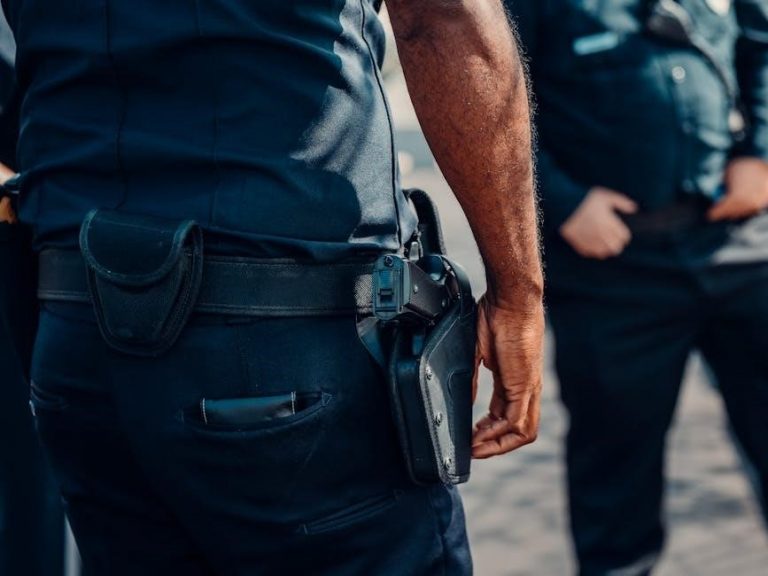
Holster Size Guide: A Comprehensive Overview (Updated 04/21/2026)
Today’s date is 04/21/2026 09:38:20. This guide details holster sizing, covering barrel length, firearm models like CZ, and manufacturer charts like Hunter Company’s.
Understanding Holster Sizing Basics
Holster sizing isn’t one-size-fits-all; it’s crucial for safety, retention, and comfortable carry. Proper fit ensures your firearm remains securely in place, preventing accidental discharge or loss. Key measurements include barrel length, slide width, and overall firearm dimensions. Different holster types – IWB, OWB, shoulder, ankle – necessitate specific sizing considerations.
Manufacturers like Hunter Company utilize codes (1085, 1085H, 1091) and barrel length ranges (68-100, 68-400) to categorize holster sizes. Understanding these systems is vital. Accessories, such as lasers or scopes, significantly impact holster fit, requiring specialized options. CZ firearms, like the 83, P-01, and 75 Compact, each have recommended holster sizes, often designated by a number (Size 3).
Importance of Proper Holster Fit
A correctly fitted holster is paramount for safe and effective concealed or open carry. Too loose, and the firearm risks falling out during movement, creating a dangerous situation. Too tight, and drawing becomes slow and difficult, potentially hindering self-defense. Proper retention is key, balancing security with accessibility.
Consider the carry method: IWB holsters demand a snug fit for concealment, while OWB holsters prioritize retention. Shoulder holsters require accurate sizing for comfort and stability. Hunter Company’s sizing charts, utilizing barrel length ranges, emphasize the importance of precise measurements. For CZ autos, selecting the correct size (e.g., Size 3 for P-01) is critical for a secure and functional fit.
Measuring Your Firearm for a Holster
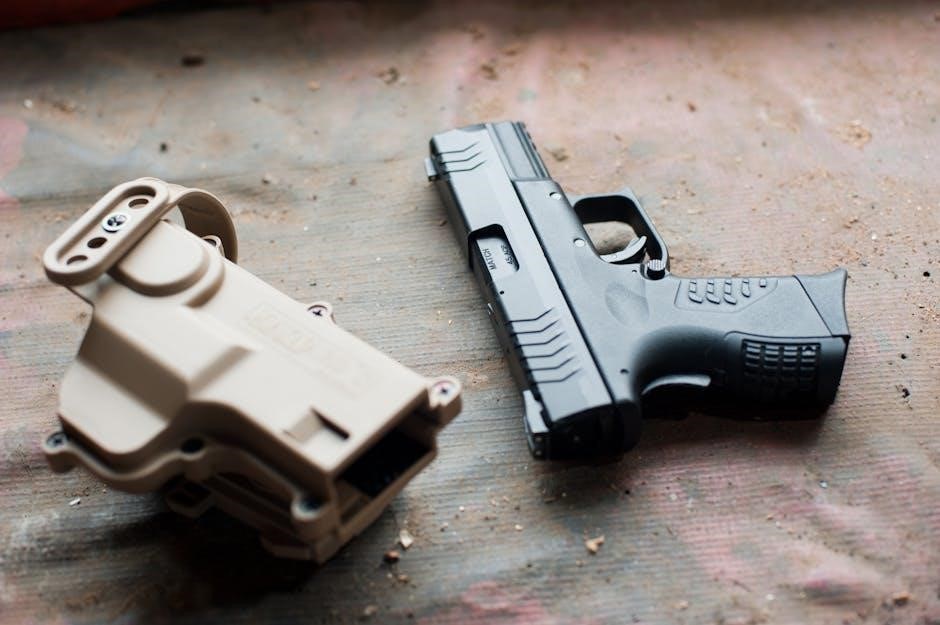
Accurate firearm measurements are fundamental to selecting the right holster. Begin with barrel length, a primary factor in most holster sizing systems, as seen in Hunter Company’s charts (e.g., 68-100, 68-400 ranges). Beyond length, consider slide width and thickness, especially for concealed carry where bulk matters.
For CZ models like the 83 (3.8” barrel) or P-01, precise measurements ensure compatibility. Note if accessories like lasers or scopes are attached, as these necessitate holsters designed for those additions. Referencing manufacturer specifications and holster size guides is crucial for a secure and functional fit, avoiding issues with retention or draw speed.
Barrel Length as a Primary Measurement
Barrel length is the cornerstone of holster sizing, directly influencing holster compatibility and retention. Charts from companies like Hunter Company (1085, 1085H, 1091 codes) categorize holsters by barrel length ranges – for example, 68-100 or 68-400 inches.
CZ firearms illustrate this well; the CZ 83 with its 3.8” barrel requires a size 3 holster, while the CZ 75 D PCR Compact (3.9”) may need a slightly larger option. Accurate measurement, from muzzle to the slide’s breech face, is vital for a secure fit, preventing looseness or difficulty drawing.
Slide Width and Thickness Considerations
Beyond barrel length, slide dimensions are crucial for a proper holster fit. Width and thickness impact how securely the firearm sits within the holster, influencing both retention and draw speed. Variations between models, even within the same brand like CZ (P-01, 75 Compact), necessitate careful consideration.
A holster too narrow can cause excessive pressure, potentially damaging the firearm or hindering the draw. Conversely, a too-wide holster compromises retention. Hunter Company’s sizing charts don’t explicitly detail slide dimensions, emphasizing barrel length, but a snug fit is paramount for safety and functionality.
Holster Types and Corresponding Sizing
Holster selection significantly impacts sizing requirements. Inside the Waistband (IWB) holsters prioritize concealment, often needing a compact footprint. Outside the Waistband (OWB) holsters focus on retention and accessibility, allowing for larger firearm sizes. Shoulder holsters, available in vertical or horizontal configurations, demand precise sizing for comfort and stability.
Bandoleer and tactical holsters offer adjustable retention, accommodating various firearm types. Ankle holsters require a snug, comfortable fit. Laser/light attachments necessitate holsters designed for those accessories. Hunter Company offers diverse options (1085, 1085H, 1091), each suited to specific carry methods.
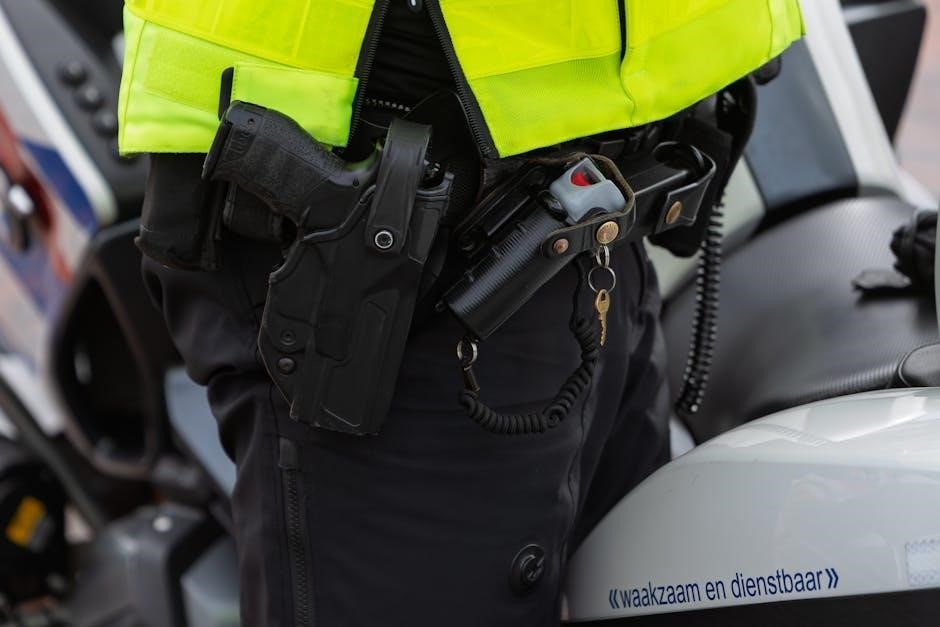
Inside the Waistband (IWB) Holsters: Sizing for Concealment
IWB holsters demand a minimalist approach to sizing. Prioritize a snug fit to maximize concealment and prevent printing. Barrel length is crucial; a 3.8” barrel (like the CZ 83) requires a Size 3 holster generally. Consider slide width and thickness – a bulky slide necessitates a larger IWB holster.
Hunter Company’s 1085/1085H models cater to smaller firearms. Adjustability is key for comfort. A holster too loose compromises security, while one too tight hinders drawing. Proper sizing ensures a secure, comfortable, and concealed carry experience.
Outside the Waistband (OWB) Holsters: Fit and Retention
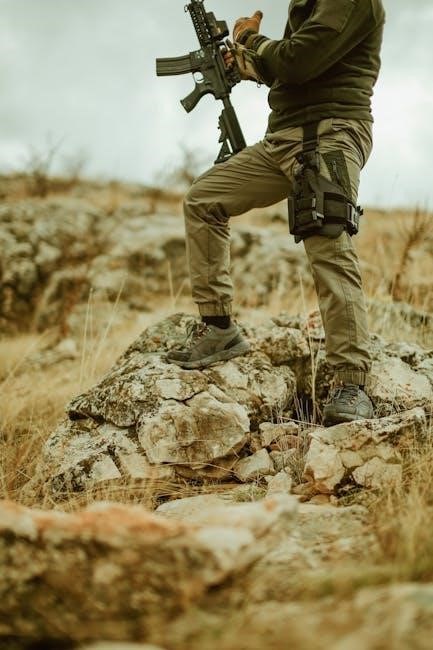
OWB holsters prioritize retention and a secure fit. Unlike IWB, some play is acceptable, but excessive looseness is unacceptable. Barrel length remains a primary factor; CZ P-01 and CZ 75 Compact models (3.9” barrel) typically use Size 3 holsters. Hunter Company’s 1086 and 1091 models are popular OWB choices.
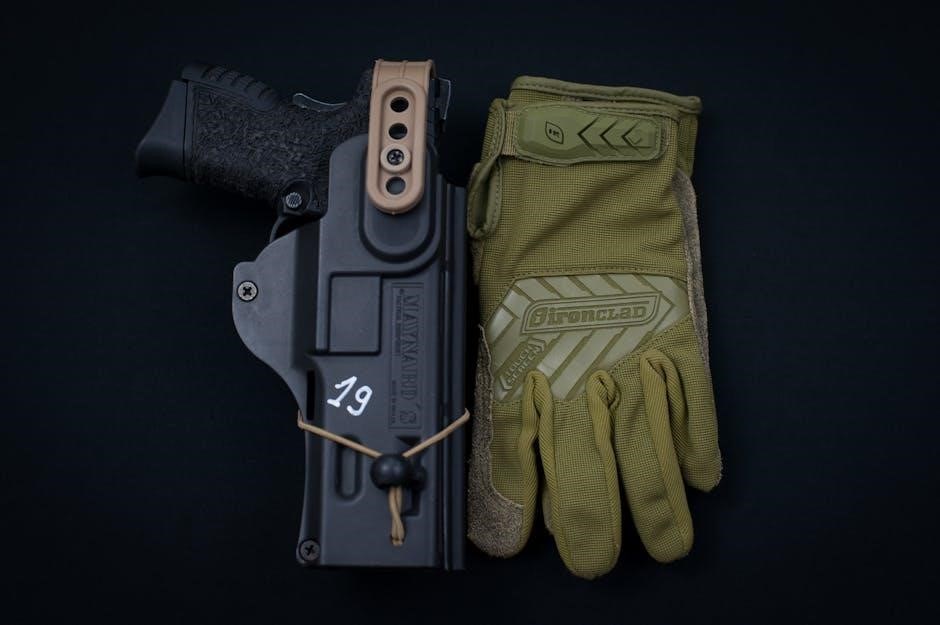
Retention devices (screws, straps) enhance security. Ensure the holster doesn’t interfere with your draw. A snug, yet comfortable, fit is ideal. Consider belt width compatibility for optimal stability. Proper sizing balances retention, accessibility, and all-day comfort.
Shoulder Holsters: Vertical vs. Horizontal Carry & Sizing
Shoulder holster sizing depends on carry style: vertical or horizontal. Vertical carry, like with Hunter Company’s options, often utilizes a universal size based on barrel length – a 3.8” barrel (CZ 83) fits a Size 3. Horizontal carry may require adjustments for comfort and accessibility.
Adjustability is crucial for a secure, non-restrictive fit. Ensure the straps don’t interfere with movement or clothing. Consider firearm weight distribution. Shoulder holster sizing isn’t solely about the gun; body type and preferred draw angle matter significantly for optimal performance.
Specific Firearm Brand & Model Sizing (CZ Examples)
CZ pistols require specific holster sizing due to model variations. The CZ 83, with its 3.8” barrel, generally fits a Size 3 holster across many manufacturers. For CZ P-01 and CZ 75 Compact models (.40S & 9mm), a Size 3 holster is also commonly recommended.
The CZ 75 D PCR Compact (9mm) with a 3.9” barrel presents similar sizing needs, often accommodated by Size 3 options. Always verify compatibility with the holster manufacturer’s charts. Remember, these are guidelines; individual holster designs may necessitate adjustments for a secure fit.
CZ 83 (3.8″ Barrel): Holster Recommendations

For the CZ 83, featuring a 3.8” barrel, a Size 3 holster is generally the most suitable choice. This applies to clip, belt, shoulder (vertical and horizontal), ankle, and bandoleer holster types. Hunter Company’s 1085 and 1085H models are frequently recommended, falling within the 68-100 barrel length range.
However, always confirm compatibility with the specific holster manufacturer; Leather holsters may require a break-in period to achieve a perfect, secure fit. Consider options labeled “CZ Autos” for optimized retention and accessibility. Ensure the holster fully covers the trigger guard for safety.
CZ P-01 & CZ 75 Compact (.40S & 9mm): Size 3 Holsters
Both the CZ P-01 and CZ 75 Compact models, chambered in .40S&W or 9mm, typically utilize a Size 3 holster. This sizing applies consistently across various carry methods – IWB, OWB, shoulder (vertical/horizontal), ankle, and bandoleer configurations. Hunter Company’s holster codes 1085, 1085H, and 1091 often accommodate these firearms, fitting within their 68-100 barrel length specification.
When selecting a holster, prioritize secure retention and comfortable carry. Leather options may benefit from a break-in period. Always verify compatibility with accessories like lasers or lights, potentially requiring a larger size.
CZ 75 D PCR Compact (9mm) ‒ 3.9″ Barrel: Holster Options
The CZ 75 D PCR Compact, with its 3.9″ barrel, presents versatile holster options. While often fitting a Size 3 holster, careful consideration is crucial, especially with accessories. Hunter Company’s codes like 1085, 1085H, 1091, and potentially 1086, may be suitable, falling within the 68-400 barrel length range;
For concealed carry, IWB holsters are popular. OWB options offer enhanced retention. Shoulder and ankle carry require secure, comfortable fits. Always confirm compatibility with lights or lasers, potentially necessitating a larger holster size for proper accommodation.
Holster Size Charts by Manufacturer (Hunter Company Example)
Hunter Company provides detailed holster size charts crucial for accurate fitting. Their system utilizes codes like 1085, 1085H, 1091, 1086, 1091H, 1092, and 2200, each corresponding to specific barrel length ranges. For instance, 1085 covers 68-100 inch barrels, while 1085H extends to 68-400 inches.
Understanding these ranges is vital. Charts also list compatible firearms and models. Always cross-reference your firearm’s exact barrel length with the manufacturer’s chart to ensure a secure and proper holster fit, avoiding issues with retention or draw speed.
Decoding Hunter Company Holster Codes (1085, 1085H, 1091 etc.)
Hunter Company employs a numerical coding system to categorize holster sizes. Codes like 1085, 1085H, 1091, 1086, 1091H, 1092, and 2200 aren’t arbitrary; they directly relate to the barrel length ranges the holster accommodates. The base code (e.g., 1085) indicates a specific range, while suffixes like ‘H’ often denote an extended length capacity.
Deciphering these codes is essential for selecting the correct holster. Referencing Hunter Company’s official size chart alongside your firearm’s barrel length ensures compatibility. Ignoring these codes can lead to a poorly fitting holster, compromising safety and functionality.
Hunter Company Barrel Length Ranges (68-100, 68-400 etc.)
Hunter Company holsters are categorized by barrel length ranges, such as 68-100, 68-400, 68-200, and others. These ranges define the maximum barrel length a particular holster model can securely accommodate. For instance, a holster designated “68-100” fits barrels measuring between 6;8 and 10 inches.
Accurately measuring your firearm’s barrel is crucial when selecting a Hunter Company holster. Always verify your firearm’s length falls within the specified range for the chosen holster code. Utilizing the incorrect size range can result in an insecure fit, potentially leading to weapon loss or malfunction.
Holsters for Firearms with Accessories
Firearms equipped with accessories like lasers or lights necessitate specialized holsters. Standard holsters often cannot accommodate these additions, compromising fit and retention. When selecting a holster for an accessorized pistol, ensure it’s specifically designed for that configuration.
Holsters for pistols with lasers/lights feature extended retention straps or molded pockets to securely house the accessory. Similarly, holsters accommodating scopes or optics require extra clearance to prevent interference. Failing to account for accessories can lead to improper draw, damage, or unsafe carry.
Holsters for Pistols with Lasers/Lights
Selecting a holster for a pistol featuring a laser or light requires careful consideration. Standard holsters frequently lack the necessary space and retention features, potentially leading to compromised security and functionality. Look for holsters explicitly designed to accommodate these accessories, ensuring a snug and secure fit.
These specialized holsters typically incorporate extended retention straps or molded pockets to securely house the laser or light module. Proper fit prevents accidental activation and maintains a safe draw. Hunter Company offers options like the 3LZ for CZ Autos with lasers, demonstrating accessory-specific holster design.
Accommodating Scopes and Optics in Holsters
Firearms equipped with scopes or optics necessitate holsters with increased height and adjusted retention mechanisms. Standard holsters often won’t properly clear these additions, causing fit issues or hindering a smooth draw. Seek holsters specifically engineered for optics-ready pistols, offering ample clearance and secure support.
Manufacturers like Hunter Company provide varied holster sizes (e.g., 1085, 1086, 2200) catering to different barrel lengths and firearm configurations. When selecting, confirm the holster’s compatibility with your optic’s size and mounting style. A proper fit ensures safe carry and reliable access to your firearm.
Specialty Holsters & Sizing
Specialty holsters, like ankle, bandoleer, and tactical varieties, demand unique sizing considerations. Ankle holsters prioritize comfort and secure placement, requiring accurate calf measurements for a snug, non-restrictive fit. Bandoleer holsters offer adjustability, accommodating various firearm sizes, but compatibility hinges on barrel length and overall dimensions.
Tactical holsters emphasize retention and modularity, often utilizing universal mounting systems. Hunter Company’s diverse range (1085H, 1091H) caters to different needs. Proper sizing ensures a secure hold during dynamic activities. Always verify compatibility with your firearm and chosen mounting platform.
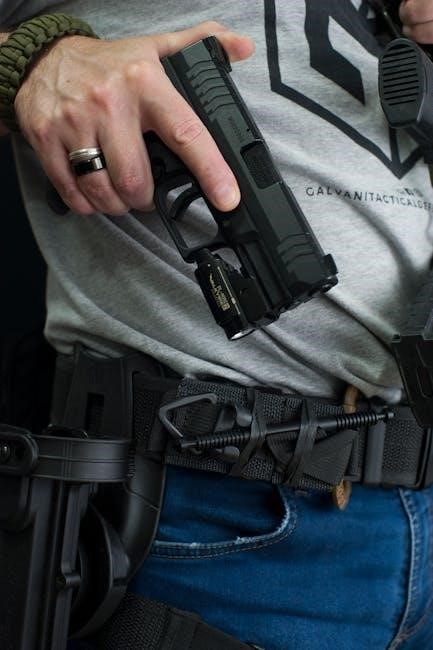
Ankle Holsters: Size and Comfort Considerations
Ankle holsters require precise sizing for optimal comfort and concealment. Accurate calf circumference measurement is crucial, ensuring a secure yet non-restrictive fit. Too tight restricts circulation; too loose compromises weapon retention. Consider sock thickness when measuring.
Barrel length impacts holster size; shorter barrels generally allow for more compact designs. Padding and materials play a vital role in comfort during extended wear. Hunter Company’s sizing charts don’t specifically detail ankle holster dimensions, emphasizing a universal fit based on calf size. Prioritize a holster that minimizes printing and maximizes accessibility.
Bandoleer Holsters: Adjustability and Firearm Compatibility
Bandoleer holsters prioritize adjustability to accommodate various body types and carry preferences. These systems typically feature adjustable straps, ensuring a snug and secure fit across the chest or back. Firearm compatibility hinges on barrel length and overall size; a proper fit prevents unwanted movement during activity.
The provided data indicates “SCOPE BANDOLEER TACTICAL” options exist, suggesting accommodation for optics. Hunter Company’s charts don’t detail bandoleer-specific sizing, relying on general barrel length ranges (e.g., 68-400). Prioritize a bandoleer that distributes weight evenly and allows for quick, safe access to your firearm.
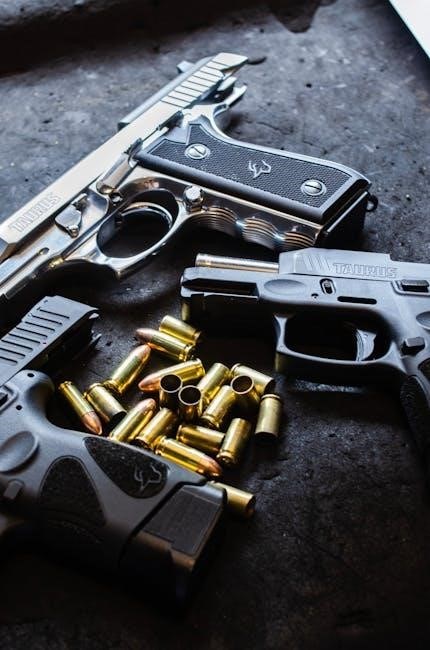
Tactical Holsters: Retention and Modular Sizing
Tactical holsters emphasize robust retention, crucial for dynamic situations. These often feature adjustable retention devices, allowing users to customize the draw resistance. Modular sizing is common, with many tactical systems accepting various attachments and configurations.
The data references “TACTICAL” holsters alongside “SCOPE BANDOLEER TACTICAL,” hinting at compatibility with accessories. Hunter Company’s sizing charts (1085, 1091, etc.) primarily focus on barrel length, but tactical holsters may also require consideration of slide width and optic height. Ensure the holster securely locks your firearm while permitting a swift, controlled draw.
Materials and Their Impact on Holster Fit
Holster materials significantly influence fit and retention. Leather holsters, as noted, require a “molding and break-in period,” adapting to the firearm’s contours over time. This means an initial snug fit may loosen, or a tight fit will become more comfortable with use.
Other materials, like Kydex or nylon, offer more consistent sizing from the start. The provided data specifically mentions “LEATHER,” suggesting its prevalence. Material flexibility impacts how well a holster accommodates accessories like lasers or lights. Consider the material’s properties when selecting a holster for your specific firearm and carry style.
Leather Holsters: Molding and Break-In Period
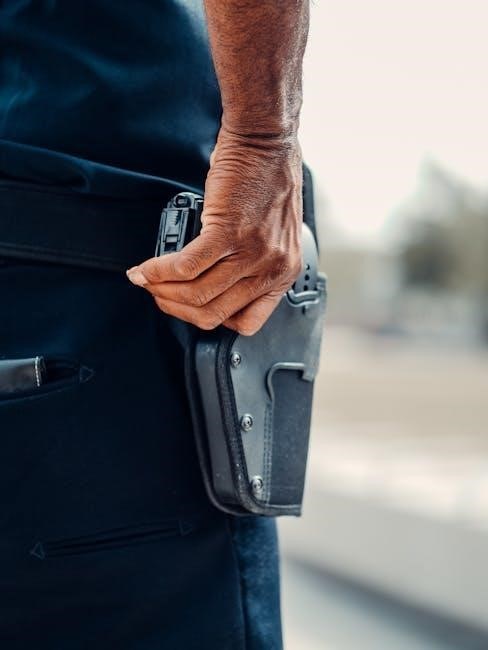
Leather holsters uniquely conform to the firearm, necessitating a “molding and break-in period.” Initially, a leather holster might feel very tight, hindering a smooth draw. Consistent use gradually shapes the leather to the gun’s specific dimensions. This process enhances comfort and retention.
However, this also means the fit evolves. A holster initially fitting perfectly could loosen over time. Proper care, like conditioning, maintains leather integrity. Understanding this dynamic is crucial for selecting the correct size, anticipating the eventual, customized fit. Patience is key during the break-in phase.
Troubleshooting Holster Fit Issues
Holster fit isn’t always perfect initially. If a holster is too loose, consider adding adjustable retention screws (if available) or utilizing adhesive-backed foam inserts. Excessive looseness compromises safety and concealment. Conversely, a too-tight holster hinders a quick, clean draw and can damage the firearm’s finish.
Carefully assess the cause – is it the leather needing more break-in, or an incorrect size? Avoid forcing the firearm. If adjustments fail, contacting the holster manufacturer for guidance or considering a different size is recommended. Prioritize safety and functionality.
What to Do If Your Holster is Too Loose
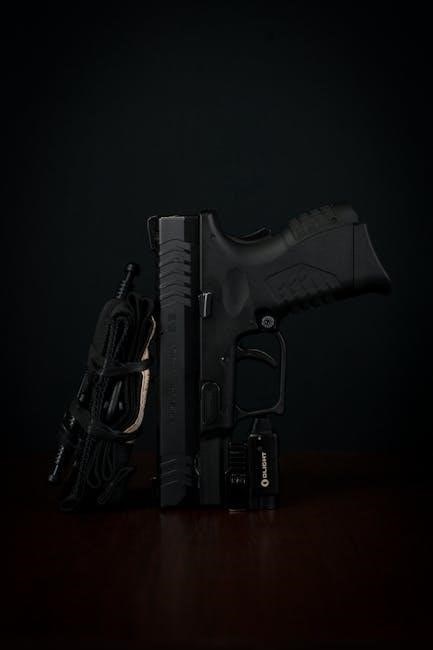
A loose holster presents safety concerns and hinders concealment. First, check for adjustable retention screws – tightening these can often resolve minor looseness. If absent, consider adding thin adhesive-backed foam inserts inside the holster to create a snugger fit. Ensure the inserts don’t obstruct the draw.
For leather holsters, continued use may mold the leather to the firearm over time. However, if looseness persists, a different holster size or style might be necessary. Never modify the holster structurally; prioritize a secure and reliable fit.
What to Do If Your Holster is Too Tight
A holster that’s too tight can impede a smooth, safe draw and potentially damage your firearm. Initially, avoid forcing the firearm into the holster; this could cause damage. For leather holsters, consistent use often stretches the leather over time, creating a better fit.
If stretching doesn’t suffice, consider using a holster stretch spray specifically designed for leather. Alternatively, explore different holster materials or a larger size. Prioritize a draw that is both swift and secure, without excessive resistance.